

mat200
IPCT Contributor
- Jan 17, 2017
- 19,548
- 32,618
The Secretary of Iran's Supreme National Security Council, Ali Larijani, stated:
"We have received urgent messages from Donald Trump through our intermediaries. The US government is asking to immediately open a negotiation channel to achieve a ceasefire.
Our response is unequivocal: Iran will not accept any negotiations, yield to any pressure, or sign any ceasefire as long as the illegal and criminal entity called Israel exists on the map of our region."
Perhaps DJT gave them what they wished for ..
Shi'a Muslims believe in a detailed eschatological timeline centered on the return of the Twelfth Imam, Muhammad al-Mahdi, also known as the Hidden Imam or Mahdi. According to Twelver Shia doctrine, the Mahdi went into occultation (concealment) in 874 CE and remains alive but hidden, guiding the faithful spiritually. His return is expected to mark the beginning of the end times.
Key events in the Shi'a end-of-times belief include:
The appearance of the Mahdi, who will be aided by Jesus (Isa), who will return to earth to assist in defeating the Masih ad-Dajjal (the false messiah or anti-Christ).
A global battle between the forces of good (led by the Mahdi and Jesus) and evil (led by the Dajjal), culminating in the total submission of the world to Islam.
The establishment of a global Islamic empire of peace, justice, and equity under the Mahdi’s rule, lasting for several years.
Following this, a general resurrection of the dead, followed by the Day of Judgment, where individuals are assessed based on their deeds and sent to paradise or hell.
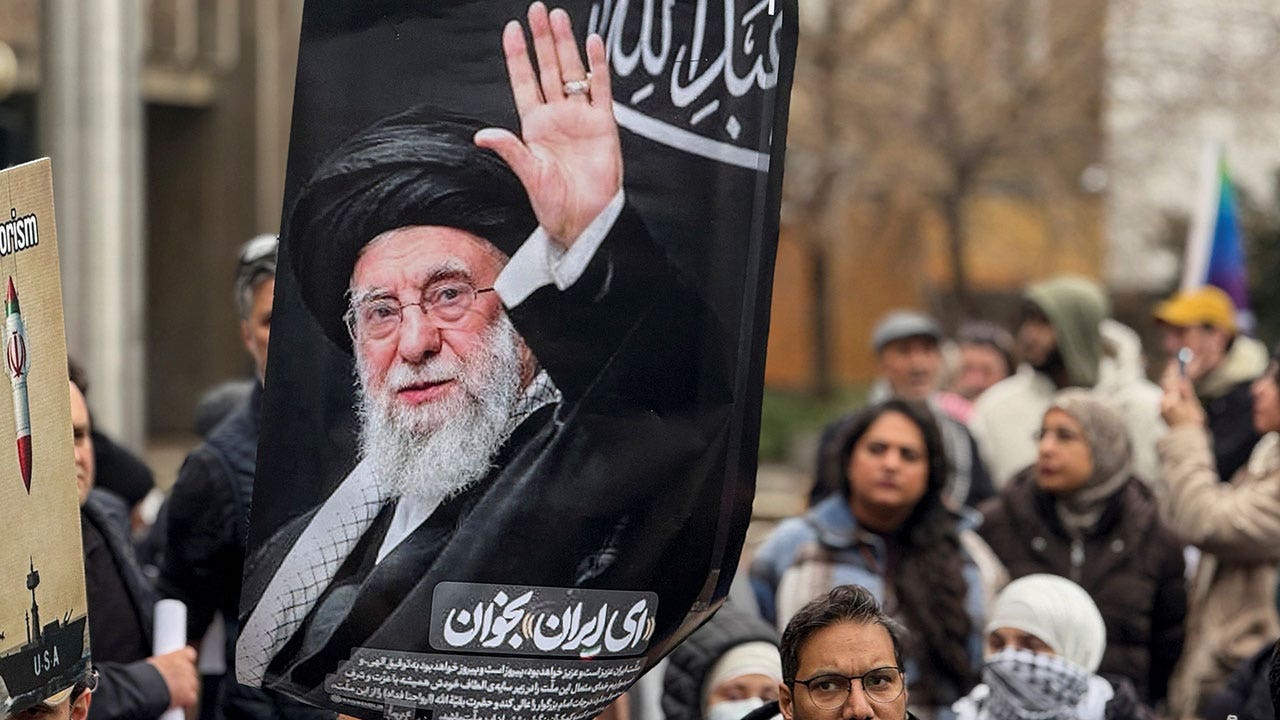
Shi'a theology differs from Sunni views in that the Mahdi is believed to already be alive and in occultation, rather than a future figure yet to be born. Some interpretations, particularly in Iran, suggest that global chaos, the defeat of enemies like Israel and the U.S., and the spread of Islamic rule are prerequisites for the Mahdi’s return. This belief has influenced political and military actions, including Iran’s foreign policy and nuclear ambitions, according to some analysts.
Shi'a Muslims also emphasize intercession through the Imams, especially Imam Husayn, and believe that rituals like mourning during Muharram and visiting shrines can bring spiritual benefit and intercession. The belief in the Mahdi remains a central and active hope, not just a passive expectation, shaping religious, cultural, and political life in Shia-majority countries like Iran, Iraq, Bahrain, and Azerbaijan.