
Solar Wireless Bridge 2 camera recommendations

ron351

Getting the hang of it
Jul 24, 2017
130
55
Looking for someone who can suggest a solar panel setup that will power a wireless bridge antenna to a POE switch and 2 possibly 3 4K POE cameras that won't run out of power overnight.
Nothing very expensive like we see in some parking lots at large stores or setups like some police use.
I could also eliminate the POE switch and come off the 12v to the 12v pigtail on the cameras if better.
This is going to be in a large cemetery and can not run buried wire there due to graves so looking for some system that someone has setup and tried that will work.
Thank you in advance for any input that will guide me to a decision.
Ron
 
Last edited:
I must be the only one to attempt to install one of these solar systems.
I am contacting this company for guidance as their system seems straight forward.
 
It’s expensive. Expect to spend a several grand on the buildout. That much power draw 24/7 will require large panels and batteries.
 
  • Like
Reactions: TonyR
  • Like
Reactions: fergenheimer
Doing some quick math to give you an idea of power requirements:

PoE switch (preferably powered from the 12/24/48v battery) = 5W - 10W baseline
3 cams @ 10W/cam = 30W
PtP airMAX NanoBeam 5AC = 9W

So you are at ~50w continuous power draw 24/7/365. Assuming a 24v battery you are drawing ~.5Ah or 12A per day e.g. (24v / 50W = .48Ah) * 24 hours.

If you purchased a 100Ah 24V lithium phosphate battery that would give you approx ~8days power before the battery was drained 100%. So you need to take that into consideration when buying your panels and also plan for rainy days/weeks where the panels won't get illuminated for a full 10-12 hour day. You can use PVWatts and input your location and it will predict how much energy a solar panel/array will produce based on your historical weather location.
 
Last edited:
Looking for someone who can suggest a solar panel setup that will power a wireless bridge antenna to a POE switch and 2 possibly 3 4K POE cameras that won't run out of power overnight.
Nothing very expensive like we see in some parking lots at large stores or setups like some police use.
I could also eliminate the POE switch and come off the 12v to the 12v pigtail on the cameras if better.
This is going to be in a large cemetery and can not run buried wire there due to graves so looking for some system that someone has setup and tried that will work.
Thank you in advance for any input that will guide me to a decision.
Ron
I built a working prototype of such a system that I’ve had running almost 24/7 since early fall of 2025 in the northeast US.
There are some challenges involved depending on your operating environmental conditions and desired no-sun run time. I’m still working on some issues mainly due to personal time constraints.
It’s been a while since I looked at the component list and costs but I think I’m into it for less than $1000.
 
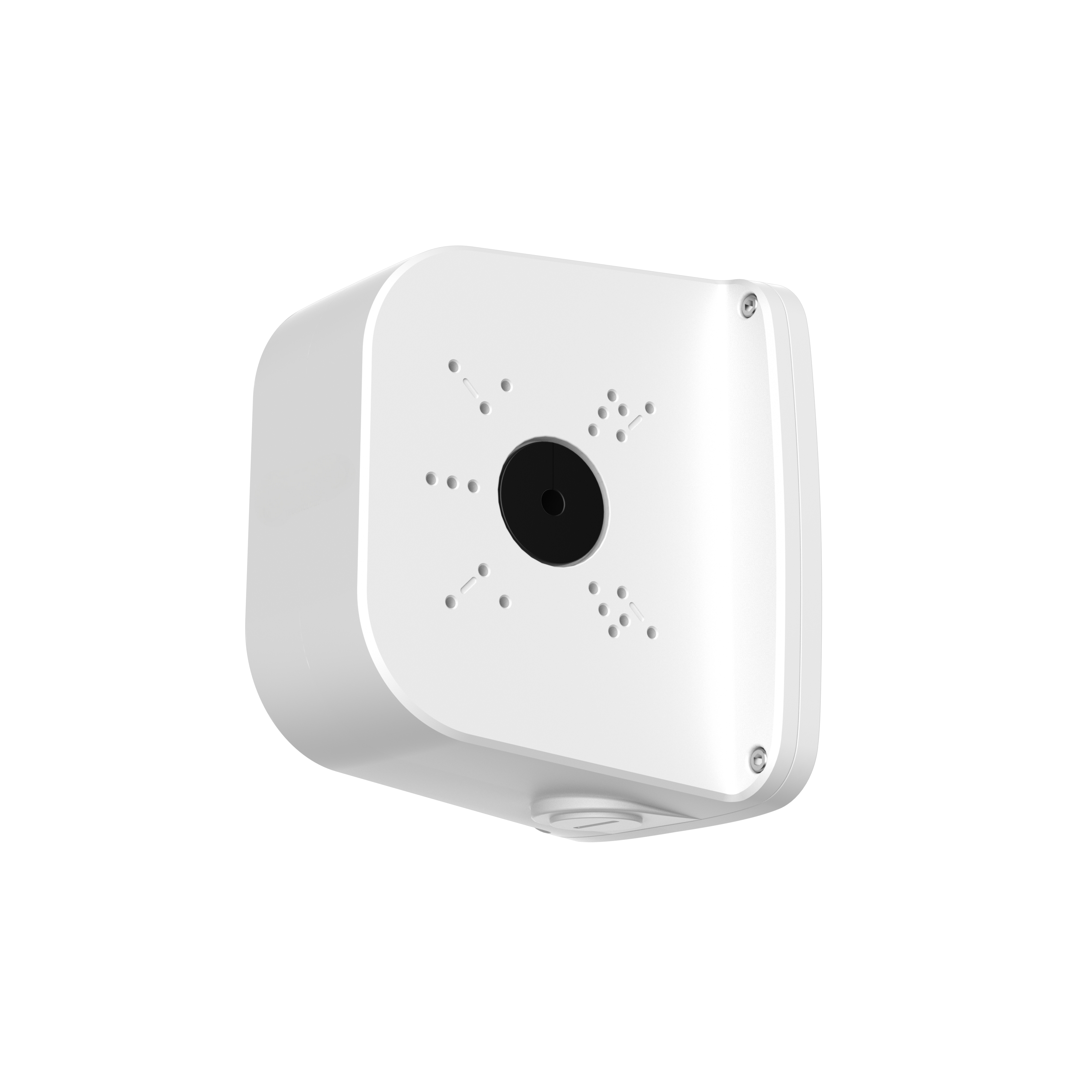
My projects take years to finish so I have not done this yet. But I have gotten past the two hardest parts, talking about it and buying the parts! I purchased a 24 volt battery from battery hookup, a din rail POE switch from amazon, two ubiquiti nanostation loco 5s and will buy a 24 volt solar panel. Stuff will be mounted in the junction box and of course, the panel and camera outdoors. In my case, I was going to use the "boobie cam" but I also have the 4k 180 deg camera. I am just going to do one camera so probably will not be limited by the POE burden. Note that with 24 volts you only get half the POE wattage you would with 48 volts. The listing shows 48 volts. I chose the box because it is stainless. I chose the battery since it fits nicely into the box. I can put two in parallel to double the runtime. I went with din rail since it just mounts nicer. I actually have two 100 watt solar panels that I was going to use in series but based on the size I'll be buying the 50W 24 volt panel. Even if I have to buy two to get the required power, it will be smaller than the 100 watt panel. Someone on here built a 3d printed mount for 4 cameras and 2 also. I was just going to mount to a purlin welded to the fence pipe. I've got Empiretec's PFA152e and 150 mounts. And finally, I might use the empiretec junction box PFA6330x if I decide on a second camera. Maybe I will get around to it soon and we can compare notes.
 
As an Amazon Associate IPCamTalk earns from qualifying purchases.
  • Like
Reactions: ron351
I've wondered if anyone has used a mesh camera setup. With mesh, each camera could talk to the others if they were not able to communicate with the main router or NVR. This could allow for wider coverage. Quick amazon search yields a Foscam system that is not available. I suppose all your cameras were going to be mounted to a single point and not dispersed throughout the cemetery. If you do have several locals, your battery, solar, switch, would have to be duplicated.
 
Doing some quick math to give you an idea of power requirements:

PoE switch (preferably powered from the 12/24/48v battery) = 5W - 10W baseline
3 cams @ 10W/cam = 30W
PtP airMAX NanoBeam 5AC = 9W

So you are at ~50w continuous power draw 24/7/365. Assuming a 24v battery you are drawing ~.5Ah or 12A per day e.g. (24v / 50W = .48Ah) * 24 hours.

If you purchased a 100Ah 24V lithium phosphate battery that would give you approx ~8days power before the battery was drained 100%. So you need to take that into consideration when buying your panels and also plan for rainy days/weeks where the panels won't get illuminated for a full 10-12 hour day. You can use PVWatts and input your location and it will predict how much energy a solar panel/array will produce based on your historical weather location.
Thank you Biggen. That helps a lot. I had figured 100Ah panel might do the trick. Winter is longer dark hours in the day. I would say overall most days 365 have pretty much 10 good hours a day with good daylight and summer more like 13 hours daylight. The Cemetery is wide open so no trees and just open sky.
 
I've wondered if anyone has used a mesh camera setup. With mesh, each camera could talk to the others if they were not able to communicate with the main router or NVR. This could allow for wider coverage. Quick amazon search yields a Foscam system that is not available. I suppose all your cameras were going to be mounted to a single point and not dispersed throughout the cemetery. If you do have several locals, your battery, solar, switch, would have to be duplicated.
Will probably end up with 2 poles with 2 cameras on each pole and the office is in the center so that should cover what is needed
 
  • Like
Reactions: fergenheimer
My projects take years to finish so I have not done this yet. But I have gotten past the two hardest parts, talking about it and buying the parts! I purchased a 24 volt battery from battery hookup, a din rail POE switch from amazon, two ubiquiti nanostation loco 5s and will buy a 24 volt solar panel. Stuff will be mounted in the junction box and of course, the panel and camera outdoors. In my case, I was going to use the "boobie cam" but I also have the 4k 180 deg camera. I am just going to do one camera so probably will not be limited by the POE burden. Note that with 24 volts you only get half the POE wattage you would with 48 volts. The listing shows 48 volts. I chose the box because it is stainless. I chose the battery since it fits nicely into the box. I can put two in parallel to double the runtime. I went with din rail since it just mounts nicer. I actually have two 100 watt solar panels that I was going to use in series but based on the size I'll be buying the 50W 24 volt panel. Even if I have to buy two to get the required power, it will be smaller than the 100 watt panel. Someone on here built a 3d printed mount for 4 cameras and 2 also. I was just going to mount to a purlin welded to the fence pipe. I've got Empiretec's PFA152e and 150 mounts. And finally, I might use the empiretec junction box PFA6330x if I decide on a second camera. Maybe I will get around to it soon and we can compare notes.
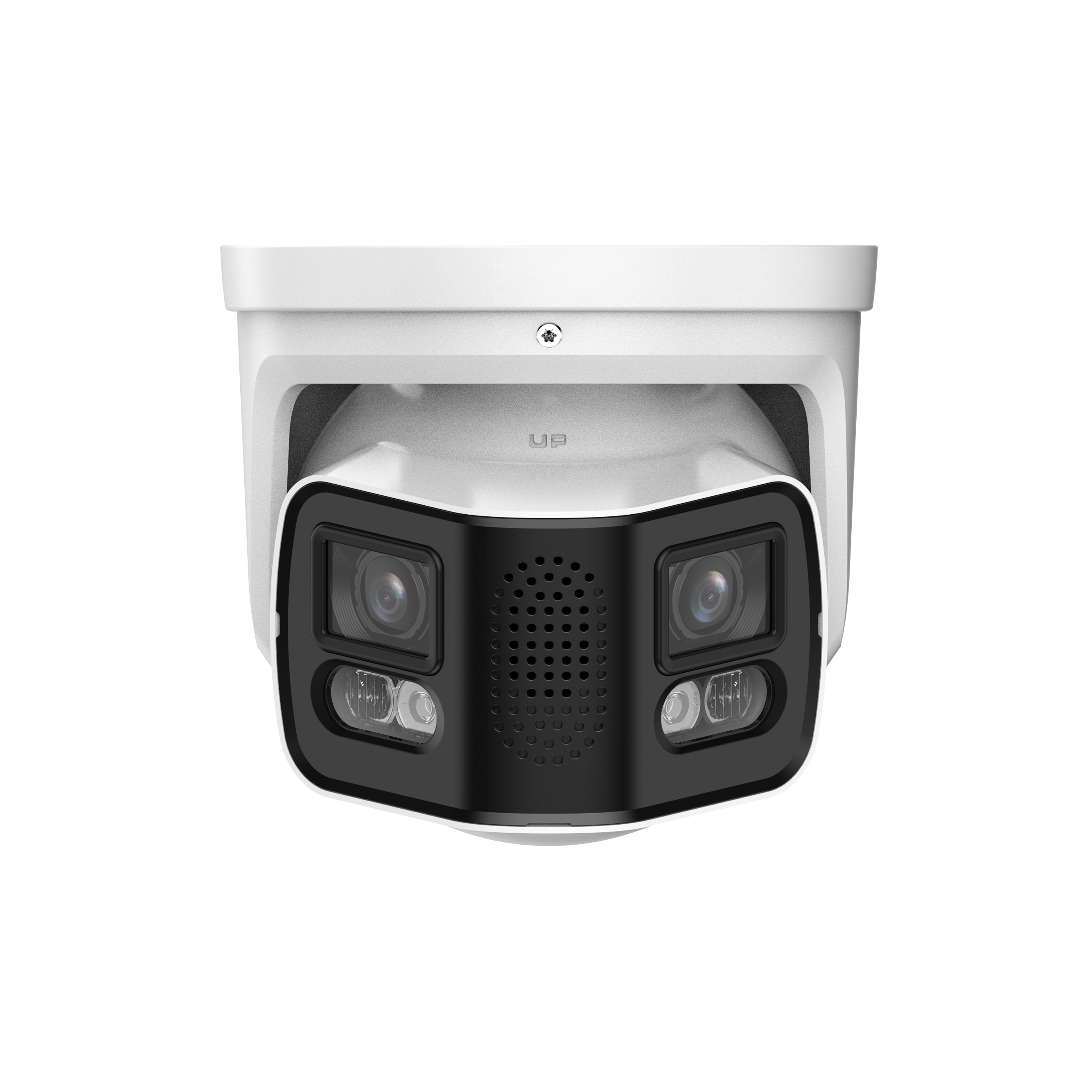
Thank you appreciate it. This is my first time to attempt solar. I have a few wireless bridges installed most around 900 feet apart. So familiar with them at least. The cameras I use are 12V POE but they have pigtails in case you dont want to do the POE think then a 12v can be plugged in like the old CCTV cameras. I will look into the links you shared. Once I feel confident enough I will present it to the Preacher and see how he wants to proceed. One thing I can't stand is the 180 degree so called 4K cameras. I go around with the company all the time telling them (2) 4K lenses don't make it a 4K camera. It adds up to 8 Megapixel but they still advertise it as 4K when in reality it is a 4 megapixel camera
 
As an Amazon Associate IPCamTalk earns from qualifying purchases.
Thank you Biggen. That helps a lot. I had figured 100Ah panel might do the trick. Winter is longer dark hours in the day. I would say overall most days 365 have pretty much 10 good hours a day with good daylight and summer more like 13 hours daylight. The Cemetery is wide open so no trees and just open sky.
For another round of simple math, if I plug my zipcode into Pvwatts.nlr.gov, it shows that a 100w panel would produce 10kWh per month for the month of December. December/January are always going to be the months where you receive the least amount of sunlight if you live in the northern hemisphere so you always want to design the solar system out for those months.

A continuous 50w load is going to need 50W X 24hours = 1200Wh or 1.2kWh/day. Or to figure it per month so we can compare numbers with Pvwatts, it would be 1.2kWh/day * 30 days = 36kWh per month. So a 100w panel would be well short of this goal (basically only about 1/4 of what is needed) since it can only output 10kWh per month according to Pvwatts for my location in the month of December but I need 36kWh per month instead. I'd need at least 400w of solar panels (twin 200 panels) just to meet the need of the equipment each day but that doesn't account for actually pushing charge into the battery as well. You really need double or 800w of panels if you want to do that. Remember, you will get several days in row (maybe even a week!) where the panel will not be outputting maximum power to the battery. So the battery gets drained more and more until it's exhausted and you lose your cameras totally until power returns.

This is why solar for cameras is hard and why the solar powered cameras you see for sale don't utilize always on RTSP streams. They go into a sleep mode to minimize power demand and only trigger recording/streaming when they detect motion or someone connects directly to them via their app. The power demands are very high if you want to stream 24/7 and also power a wifi antenna.
 
For another round of simple math, if I plug my zipcode into Pvwatts.nlr.gov, it shows that a 100w panel would produce 10kWh per month for the month of December. December/January are always going to be the months where you receive the least amount of sunlight if you live in the northern hemisphere so you always want to design the solar system out for those months.

A continuous 50w load is going to need 50W X 24hours = 1200Wh or 1.2kWh/day. Or to figure it per month so we can compare numbers with Pvwatts, it would be 1.2kWh/day * 30 days = 36kWh per month. So a 100w panel would be well short of this goal (basically only about 1/4 of what is needed) since it can only output 10kWh per month according to Pvwatts for my location in the month of December but I need 36kWh per month instead. I'd need at least 400w of solar panels (twin 200 panels) just to meet the need of the equipment each day but that doesn't account for actually pushing charge into the battery as well. You really need double or 800w of panels if you want to do that. Remember, you will get several days in row (maybe even a week!) where the panel will not be outputting maximum power to the battery. So the battery gets drained more and more until it's exhausted and you lose your cameras totally until power returns.

This is why solar for cameras is hard and why the solar powered cameras you see for sale don't utilize always on RTSP streams. They go into a sleep mode to minimize power demand and only trigger recording/streaming when they detect motion or someone connects directly to them via their app. The power demands are very high if you want to stream 24/7 and also power a wifi antenna.
Figured it would of been easier then this but can see now that it is a bit more to configure and plan. They should add a twirly thing to the top to grab wind, seems there is always wind and combine a wind generator along with the solar and between the 2 would put out a constant charge even at night. We seldom have a time of day there is not a calm moment.
 
  • Like
Reactions: biggen
Figured it would of been easier then this but can see now that it is a bit more to configure and plan. They should add a twirly thing to the top to grab wind, seems there is always wind and combine a wind generator along with the solar and between the 2 would put out a constant charge even at night. We seldom have a time of day there is not a calm moment.
You can wire wind turbine into the charge controller. That is simple. Would help offset losses when the sun isn't shining but I still would design the system so the panels would cover 100% of the load and charge. Wind is finicky and the wind turbine will probably never output its maximum power unless you had it installed in a hurricane. The ones that do output a good amount of power of huge and heavy.

It's a fun project no doubt. So long as you know the pitfalls and hangups, you can do it.
 
As an Amazon Associate IPCamTalk earns from qualifying purchases.
Also consider how cold it gets in the winter, as lithium batteries don't like the cold. Sealed lead acid batteries will be better in -15 Celsius.
Yup, but then you have to consider that you should never discharge lead acid batteries below 50% or you will damage them. So a 100Ah lead acid battery really only has 50Ah of capacity if you take that into account.
 
  • Like
Reactions: dudemaar and ron351
If you purchased a 100Ah 24V lithium phosphate battery that would give you approx ~8days power before the battery was drained 100%.
The BMS in my LiFePO4 batteries will only let the charge level go down to 20%. I don't know if this is common or not. Additionally, the charging slows down a lot when the charge level goes over 90%. With my BMS, a 100Ah battery has a real life usable capacity of about 750Ah.

I had figured 100Ah panel might do the trick.
What is a 100Ah panel?

it shows that a 100w panel would produce 10kWh per month for the month of December.
My 4000 watts of panels produced 203 kWh this past January. Scaled to a 100 watt panel the production would have been 5.057 kWh, about half of your estimate. Of course a lot depends on location, mine being in a mid-sunny part of Oregon, not the gloomy coast or Willamette Valley. Over 15 years, the lowest January production was 118 kWh, and the highest 306 kWh, so there's a lot of weather dependency. In some years, December was lower than January, but still within the 118-306 bounds.