Is the regime in Iran soon to be toast?


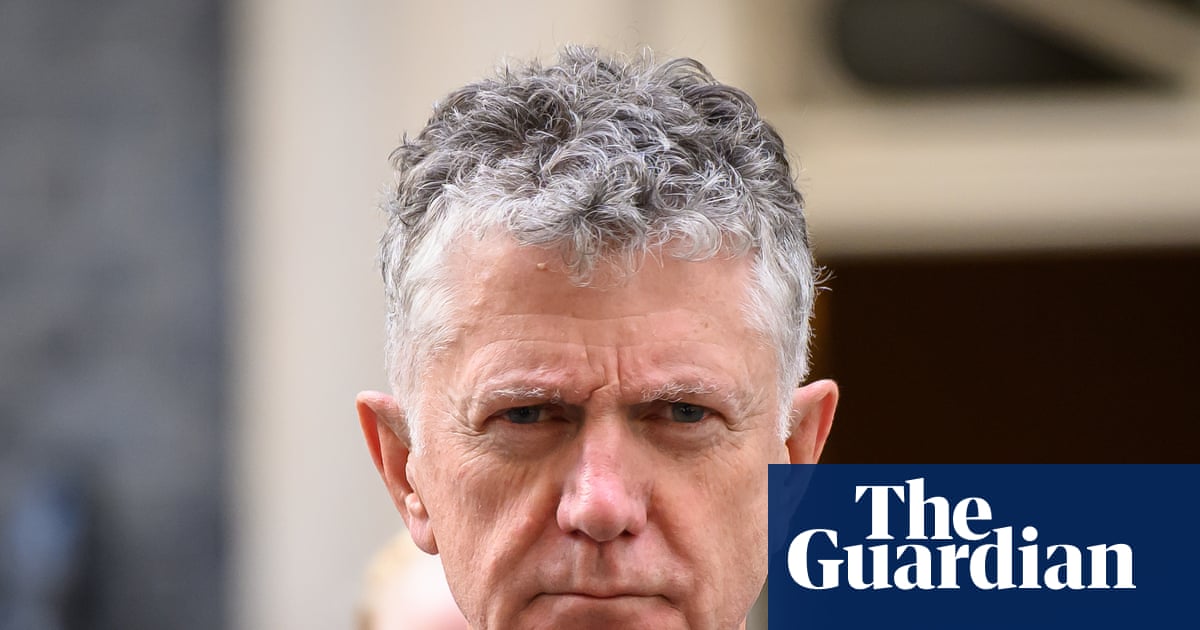
This is significant reporting but it confirms what the diplomatic record already established in plain sight. What the Guardian is adding is the specific detail that Britain’s National Security Adviser Jonathan Powell was physically present at those final talks on February 26 and walked away judging the deal significant enough to prevent war.
That is not a fringe observer. Powell is one of the most experienced back-channel diplomats in the Western world, the man who helped broker the Good Friday Agreement. His judgment carries institutional weight.
 
Last edited:
Iran vs USA threat is real, and has been real for numerous years. This did not start after Oct 7.

Here's a quick list which AI assisted me with on this topic :


This updated list includes major attacks on Saudi oil infrastructure by Iran and its proxies prior to 2026. These operations specifically targeted global energy stability and the economic interests of U.S. allies.

Anti-USA Actions (Global & Regional)
These actions were designed to expel U.S. forces from the Middle East, bypass American sanctions, or undermine U.S. allies.
  • Direct Attacks on U.S. Personnel:
    • 1983 Beirut Barracks Bombing: An Iranian-backed suicide attack killed 241 U.S. service members in Lebanon. [[5, 11]]
    • 1996 Khobar Towers: A truck bomb in Saudi Arabia killed 19 U.S. airmen; linked to Iran-backed Hezbollah Al-Hejaz. [[11]]
    • Iraq Insurgency (2003–2011): Iran provided EFPs (advanced roadside bombs) that killed over 600 U.S. troops. [[5, 11]]
    • Tower 22 (2024): A drone strike by Iraqi proxies killed 3 U.S. soldiers in Jordan. [[2, 11]]
  • Global Alliances against U.S. Interests:
    • Russia (Ukraine War): Iran supplied thousands of Shahed drones and ballistic missiles to Russia, directly countering U.S. military aid to Ukraine. [[1, 8, 12]]
    • Venezuela: Iran sent fuel tankers and technicians to help the Maduro regime bypass U.S. oil sanctions and began producing Iranian drones in the Western Hemisphere. [[6, 7, 13]]
  • Maritime & Economic Sabotage:
    • 2019 Fujairah Sabotage: Four commercial vessels, including two Saudi oil tankers, were damaged by limpet mines off the UAE coast; the U.S. and allies attributed the sophisticated state-level operation to Iran.
    • Abqaiq–Khurais Attack (2019): A massive swarm of 25 Iranian drones and cruise missiles struck Saudi Aramco’s largest oil processing facilities, temporarily knocking out 5.7 million barrels per day—roughly 5% of global supply.
    • Jeddah Depot Strike (2022): Iran-aligned Houthi rebels used missiles to strike an Aramco fuel depot in Jeddah during a Formula 1 event, part of a broader campaign against Saudi energy infrastructure.
    • Red Sea Crisis (2023–2025): Iran-backed Houthis used Iranian tech to attack global shipping, forcing the U.S. Navy into a prolonged maritime conflict. [[2, 4]]
    • Strait of Hormuz: Periodic seizures of international oil tankers to pressure the U.S. and its allies. [[4]]
  • Targeted Operations:
    • 2024 Assassination Plots: U.S. DOJ charged IRGC assets for plotting to assassinate Donald Trump and other American officials on U.S. soil. [[3, 11]]

Pro-USA / De-escalatory Actions
While rare and often tactical, these actions temporarily aligned with U.S. goals of regional stability or nuclear non-proliferation.
  • Nuclear Diplomacy (JCPOA): From 2015–2018, Iran limited its nuclear program and allowed inspections in exchange for sanctions relief. [5, 11]
  • Tactical "Pauses": Following the 2024 Tower 22 strike, Iran reportedly ordered its Iraqi proxies to stop attacking U.S. bases for several months to avoid a direct war with Washington. [2, 10]
  • Lebanon Ceasefires: Iran occasionally permitted Hezbollah to enter U.S.-brokered maritime or border agreements with Israel to prevent a total regional collapse. [5, 10]
  • 2025 Negotiations: Brief indirect talks in Oman aimed at trading a freeze on uranium enrichment for the release of frozen Iranian funds. [9]

In the years leading up to 2026, Iran’s regional and global activities have imposed massive financial burdens on the United States and its allies. These costs stem from direct military operations, the high price of advanced munitions used to counter low-cost threats, and the economic fallout of disrupted trade.

Economic Costs of Iranian & Proxy Actions (Pre-2026)
The following list details the primary economic impacts of Iran’s strategy, predominantly categorized as Anti-USA due to the strain on the U.S. treasury and global commerce.
  • Red Sea & Maritime Defense (2023–2025):
    • Direct Military Spending: The U.S. Navy spent over $1 billion on munitions to intercept Houthi drones and missiles in just the first six months of the Red Sea crisis.
    • Unsustainable Cost Ratio: U.S. forces frequently used interceptors costing $2 million to $4.3 million per shot to down Houthi drones valued at only a few thousand dollars.
    • Asset Losses: The Iran-backed Houthis successfully downed at least seven U.S. MQ-9 Reaper drones, with each unit costing approximately $30 million, totaling over $200 million in equipment losses by mid-2025.
  • Global Trade & Shipping Disruptions:
    • Shipping Rerouting: Houthi attacks forced vessels to bypass the Suez Canal, adding roughly $2 million in crew and fuel expenses per trip for the route around the Cape of Good Hope.
    • Insurance Premiums: War risk insurance for ships in the Red Sea tripled, with quotes reaching up to 1% of the total ship value.
  • Regional Military Presence & Aid:
    • Heightened Deployment Costs: Between October 2023 and September 2025, the U.S. spent an estimated $31.5 billion to $33.7 billion on increased military operations and aid in the Middle East.
    • Defense of Allies: Fending off a single large-scale Iranian missile and drone wave (such as in April 2024) cost the U.S. and its allies over $1.1 billion in interceptors in a single night.
  • Support for Russia & Venezuela:
    • Bolstering Adversaries: By providing low-cost Shahed drones and ballistic missiles to Russia, Iran forced the U.S. to expend billions in high-end air defense aid for Ukraine.
    • Sanctions Evasion: Cooperation with Venezuela helped the Maduro regime bypass U.S. oil sanctions, directly undermining the economic leverage of American foreign policy.
 
HDj50o8WMAAi92-
 
  • Love
  • Haha
Reactions: johnfitz and mat200
Look for more terrorism / small unit attacks via drones .. danger levels are getting high

The Threat Is Here: How US Troops Can Protect Themselves TODAY
Preston Stewart


Interesting opinion piece

Iran may be where the US-led world order ends​


Interesting opinion piece

Iran may be where the US-led world order ends​


Unless China and India starts becoming massive consumers of the global manufacturing output I just do not see how someone replaces the USA ..
 
  • Like
Reactions: Parley
It's already happening in consumer electronics and EV, Solar, tools they have 10x more people than USA.

but the question is HOW much money do they have to spend ?
 
Unless China and India starts becoming massive consumers of the global manufacturing output I just do not see how someone replaces the USA ..

I don’t think fully replacing the US is the point.
It points to diminished influence in that region. Not replacement across the globe and as it says, not overnight.

One can’t deny the US influence and that of the dollar as a reserve is diminishing. The numbers don’t lie, It clearly is. That is what supports our spending.

The opinion is that the trend is being accelerated . I generally agree
 
Israel says two more senior Iranian leaders, including Security head Ali Larijani, killed in strikes
CBS NEWS ^ | 03/17/26

Israel says it killed Iran’s top security official Ali Larijani, as America’s European allies reject Trump’s demands for help in the Strait of Hormuz.​

The Israel Defense Forces said in a statement Tuesday that the commander of Iran’s feared Basij paramilitary force was among the senior leaders killed in overnight strikes in Tehran, and the Israeli defense minister Israel Katz later confirmed that Ali Larijani, the head of Iran’s Supreme National Security Council, was also “eliminated.”

“Prime Minister Benjamin Netanyahu and I have instructed the IDF to continue pursuing the leadership of the terror and oppression regime in Iran,” Katz said in a statement, adding that Israel would update President Trump on the killing of the two senior Iranian figures “when morning breaks in Washington.”

“The Israeli Air Force, acting on IDF intelligence, targeted and eliminated Gholamreza Soleimani, who operated as commander of the Basij unit for the past six years,” the IDF said in an earlier statement, accusing the Basij, under Soleimani’s command, of leading “the main repression operations, employing severe violence, widespread arrests, and the use of force against civilian demonstrators” to quash anti-government protests that swept across Iran in January.

The IDF called Soleimani’s assassination “an additional significant blow to the regime’s security command-and-control structures” and it vowed to “continue to operate with determination against commanders of the Iranian terror regime.”

Until Monday, Larijani was among the most senior leaders of the regime still alive in Iran. He had been a defiant voice since the war began and he warned only a week ago, in a message aimed at Mr. Trump, that the Iranian people “do not fear your empty threats; even those greater than you have failed to erase them… so beware lest you be the ones who disappear.”

(Excerpt) Read more at newson6.com ...

 
  • Like
Reactions: mat200