


WTF? FCC orders a ban on the import of all new foreign-made consumer Internet routers
- Thread starter bigredfish
- Start date
You are using an out of date browser. It may not display this or other websites correctly.
You should upgrade or use an alternative browser.
You should upgrade or use an alternative browser.


elvisimprsntr
Getting comfortable
Foreign hardware manufactured or software developed?
Making my decision to switch to pfSense in 2017 looking like a smart move.
Making my decision to switch to pfSense in 2017 looking like a smart move.
Last edited:
I'm sure they realize that pretty much every single router out there use all the same chips, regardless where it's made? Right? Right?

Arjun
IPCT Contributor

More
 www.zerohedge.com
FCC Bans Foreign-Made Wireless Routers<!-- --> | ZeroHedge
ZeroHedge - On a long enough timeline, the survival rate for everyone drops to zero
www.zerohedge.com
I think the CIA/NSA just doesn’t want the competition spying on us. They want that all to themselves

mat200
IPCT Contributor
- Jan 17, 2017
- 19,458
- 32,504
The Federal Communications Commission (FCC) has ordered a ban on the import of all new foreign-made consumer-grade routers, citing national security risks. This action, effective immediately, prevents the FCC from authorizing new router models produced outside the United States, effectively blocking their sale, import, or marketing in the U.S. The decision follows a White House-convened review that concluded such devices pose "unacceptable risks" to U.S. national security and critical infrastructure.
Scope: The ban applies to all new consumer routers made outside the U.S., regardless of brand or design origin.
Exemptions: Companies may apply for conditional approval from the Department of Defense (DoD) or Department of Homeland Security (DHS) if they can prove the routers do not pose a security threat.
Existing Devices: The order does not affect routers already purchased or in use. Consumers can continue to use their current devices, and retailers may still sell previously approved models.
Rationale: The FCC cited vulnerabilities in foreign-made routers that have been exploited in major cyberattacks like Volt, Flax, and Salt Typhoon, which targeted U.S. communications, energy, transportation, and water systems.
Impact: The move significantly disrupts the global router market, as most consumer routers are currently manufactured in China, Vietnam, Thailand, and Taiwan. Major brands like TP-Link, Netgear, and Broadcom are affected, though the FCC has not yet granted any conditional approvals.
This decision reflects a broader U.S. strategy to secure supply chains and reduce reliance on foreign technology, particularly from China.
from Zero Hedge
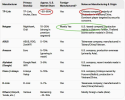
Scope: The ban applies to all new consumer routers made outside the U.S., regardless of brand or design origin.
Exemptions: Companies may apply for conditional approval from the Department of Defense (DoD) or Department of Homeland Security (DHS) if they can prove the routers do not pose a security threat.
Existing Devices: The order does not affect routers already purchased or in use. Consumers can continue to use their current devices, and retailers may still sell previously approved models.
Rationale: The FCC cited vulnerabilities in foreign-made routers that have been exploited in major cyberattacks like Volt, Flax, and Salt Typhoon, which targeted U.S. communications, energy, transportation, and water systems.
Impact: The move significantly disrupts the global router market, as most consumer routers are currently manufactured in China, Vietnam, Thailand, and Taiwan. Major brands like TP-Link, Netgear, and Broadcom are affected, though the FCC has not yet granted any conditional approvals.
This decision reflects a broader U.S. strategy to secure supply chains and reduce reliance on foreign technology, particularly from China.
from Zero Hedge

Got a couple of old routers for sale...$1,000 each 

May be a good idea to buy some routers for resale if the ban becomes or stays permanent. May also want to buy any APs while you can too.


I guess they don't want us to have internet so they can completely control the narrative....

No you can have Internet...
There will be 3 Authorized websites......
There will be 3 Authorized websites......
.gov .gov2 .gov3No you can have Internet...
There will be 3 Authorized websites......

Not .Trump .gov .gov1?.gov .gov2 .go
What good will buying banned equipment do? You won't be able to sell it online cause they will ban them from eBay and other similar sites including Facebook.May be a good idea to buy some routers for resale if the ban becomes or stays permanent. May also want to buy any APs while you can too.
undergroundbannedroutersales.comWhat good will buying banned equipment do? You won't be able to sell it online cause they will ban them from eBay and other similar sites including Facebook.

SpacemanSpiff
Known around here

SpacemanSpiff
Known around here
An excerpt from one article I read:
While the FCC’s Covered List makes it sound like the US is banning all “routers produced in a foreign country,” it’s defined a bit more narrowly than that. It’s specifically banning “consumer-grade routers” as defined in NIST Internal Report 8425A, which refers to ones “intended for residential use and can be installed by the customer.”
mat200
IPCT Contributor
- Jan 17, 2017
- 19,458
- 32,504
An excerpt from one article I read:
While the FCC’s Covered List makes it sound like the US is banning all “routers produced in a foreign country,” it’s defined a bit more narrowly than that. It’s specifically banning “consumer-grade routers” as defined in NIST Internal Report 8425A, which refers to ones “intended for residential use and can be installed by the customer.”
So does this mean more jobs for American's installing enterprise grade mini-routers in homes ?
My Switches are layer 3, meaning they can route, guessing layer 3/4 is Enterprise?So does this mean more jobs for American's installing enterprise grade mini-routers in homes ?
SpacemanSpiff
Known around here
I fear it is only a matter of time before ISP's simply declare: 'Only our hardware will function on our networks.'
