
- Jan 17, 2017
- 19,007
- 31,809
the WORST hack of 2026
NetworkChuck
Mar 31, 2026 #npm #supplychain #cybersecurity
Axios, the most popular HTTP library with over 100 million weekly downloads, was just hijacked in one of the most sophisticated supply chain attacks in history. A hacker took over the lead maintainer's npm account, injected a phantom dependency that deploys a cross-platform remote access trojan in 1.1 seconds, and the malware erases itself leaving no trace. I break down exactly how it happened, explain what a supply chain attack is, and show you how to check if YOUR system is affected.
npm supply chain attack, axios hacked, axios npm compromised, supply chain attack explained, npm install malware, remote access trojan, axios 1.14.1, plain-crypto-js, npm security, javascript security, open source security, postinstall script attack, supply chain hack 2026
TIMESTAMPS:
0:00 - npm install just became DANGEROUS
0:41 - How the attack happened
0:52 - What is Axios? (and why you probably have it)
1:39 - The account takeover
2:20 - The ONE line of code that did it all
3:06 - How it was discovered
3:32 - The postinstall dropper
4:08 - The RAT payload (Mac, Windows, Linux)
4:28 - The self-destruct (no evidence left)
4:40 - What IS a supply chain attack?
4:55 - The coffee analogy
5:51 - Are YOU affected? Let's check together
6:34 - Checking for the RAT on your system
6:51 - What to do if you're compromised
7:50 - Prayer
9:19 - BONUS: Pikachu explains supply chain attacks
This video covers a major supply chain attack targeting the popular npm package Axios, which impacted over 100 million weekly downloads. The attack occurred when a malicious actor gained access to a lead maintainer's account and injected a compromised dependency, turning the standard npm install command into a security risk.
NetworkChuck
Mar 31, 2026 #npm #supplychain #cybersecurity
Axios, the most popular HTTP library with over 100 million weekly downloads, was just hijacked in one of the most sophisticated supply chain attacks in history. A hacker took over the lead maintainer's npm account, injected a phantom dependency that deploys a cross-platform remote access trojan in 1.1 seconds, and the malware erases itself leaving no trace. I break down exactly how it happened, explain what a supply chain attack is, and show you how to check if YOUR system is affected.
npm supply chain attack, axios hacked, axios npm compromised, supply chain attack explained, npm install malware, remote access trojan, axios 1.14.1, plain-crypto-js, npm security, javascript security, open source security, postinstall script attack, supply chain hack 2026
TIMESTAMPS:
0:00 - npm install just became DANGEROUS
0:41 - How the attack happened
0:52 - What is Axios? (and why you probably have it)
1:39 - The account takeover
2:20 - The ONE line of code that did it all
3:06 - How it was discovered
3:32 - The postinstall dropper
4:08 - The RAT payload (Mac, Windows, Linux)
4:28 - The self-destruct (no evidence left)
4:40 - What IS a supply chain attack?
4:55 - The coffee analogy
5:51 - Are YOU affected? Let's check together
6:34 - Checking for the RAT on your system
6:51 - What to do if you're compromised
7:50 - Prayer
9:19 - BONUS: Pikachu explains supply chain attacks
This video covers a major supply chain attack targeting the popular npm package Axios, which impacted over 100 million weekly downloads. The attack occurred when a malicious actor gained access to a lead maintainer's account and injected a compromised dependency, turning the standard npm install command into a security risk.
Key Highlights of the Attack:
- The Mechanism (2:20 - 3:30): Instead of modifying Axios code directly, the attacker added a hidden dependency called plain-crypto-js. This phantom package contained a postinstall script that triggered a downloader.
- Malware Execution (3:40 - 4:40): Upon installation, the malware would identify the OS, download a Remote Access Trojan (RAT) within 1.1 seconds, and then delete all evidence of its presence, leaving the system compromised without a trace.
- Scope and Discovery (3:06 - 3:20): Versions 1.14.1 and 0.30.4 were confirmed as malicious. The attack was first identified by Socket.dev.
How to Check Your System:
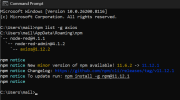
- Verify Installed Versions: Run npm list axios or npm list -g axios (6:09 - 6:15). If you see the bad versions mentioned above, your system may be at risk.
- Remediation (6:51 - 7:06): If you find these versions, do not just delete the files. Treat your machine as compromised, rotate all API keys, and update all credentials.
- Prevention: The creator suggests using npm config set min-release-age 3 as a safeguard against similar future attacks.