Since I began running 2 20w IR blasters I have seen a noticeable drop in the number of my small to medium sized nocturnal visitors. I'm wondering if they are bothered by these lights. Anyone have similar experience?
Hard to know without a controlled test. I haven't noticed any animals being bothered by the lights, but mine are only 4 watters. The cats do stare straight at the light sometimes, with a pretty bright reflection from their eyes.
It depends on the wildlife. I've ran trail cameras in the woods for the last 20+ years. The only critters I've ever seen react are wolves and coyotes. Not sure if its the IR or if they hear the electronics though. Deer, bear, turkey, grouse, owls, fischers, Bobcats, dont seem to care
It depends on the wildlife. I've ran trail cameras in the woods for the last 20+ years. The only critters I've ever seen react are wolves and coyotes. Not sure if its the IR or if they hear the electronics though. Deer, bear, turkey, grouse, owls, fischers, Bobcats, dont seem to care
Not to be overly pedantic, but keep in mind that "infrared" is not very specific. The word generally refers to a vast range of wavelengths between ~700 nm and 1,000,000 nm:
whereas the full range of visible colors that we humans enjoy are crammed into the relatively tiny band of 400 - 700 nm. The exact cutoff wavelength/frequencies vary by definition and application, but the general point remains that "infrared" covers vastly more territory than does visible light, and just as humans and animal have varying degrees of ability to discriminate visible colors, animals that can "see in the infrared" have varying degrees of ability to see in different sub-bands of the infrared.
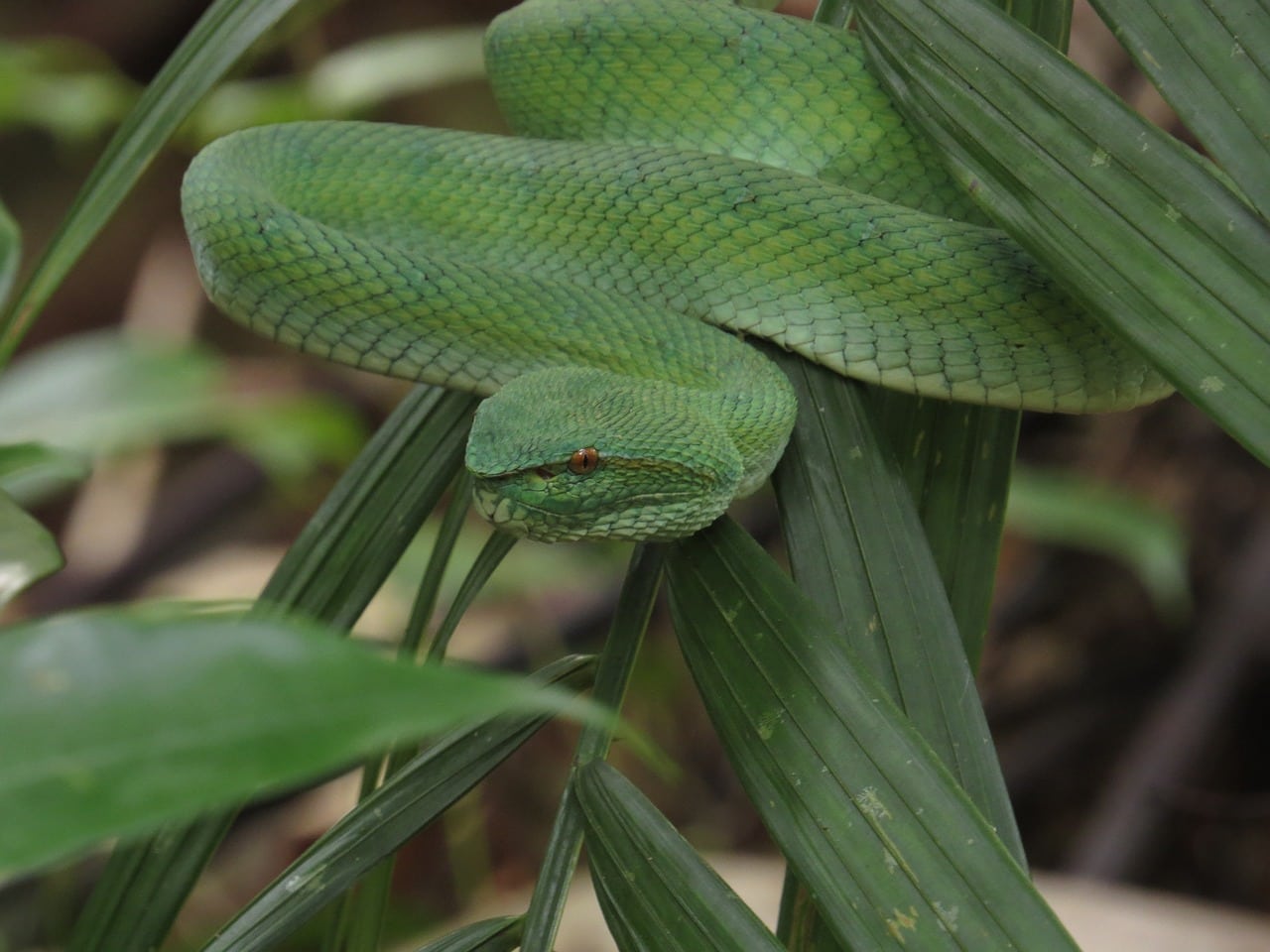
The IR that pit vipers and other thermal hunters "see" is probably tuned to the much longer wavelengths emitted by warm animals, e.g. 8,000 - 15,000 nm, whereas the infrared illuminators on typical IP cameras are generally in the 850 nm and 940 nm wavelengths.