


Is the regime in Iran soon to be toast?
- Thread starter Sybertiger
- Start date
You are using an out of date browser. It may not display this or other websites correctly.
You should upgrade or use an alternative browser.
You should upgrade or use an alternative browser.



LOL, MSM falling for this tactic which is meant to create internal turmoil in Iran. You can just picture the tantrum thrown by the IRGC with regard to perception that the civilian gubermint is wheeling and dealing behind their backs. I'm expecting some arrests and possible disappearing of some of these Iranian leaders/negotiators.
 www.cbsnews.com
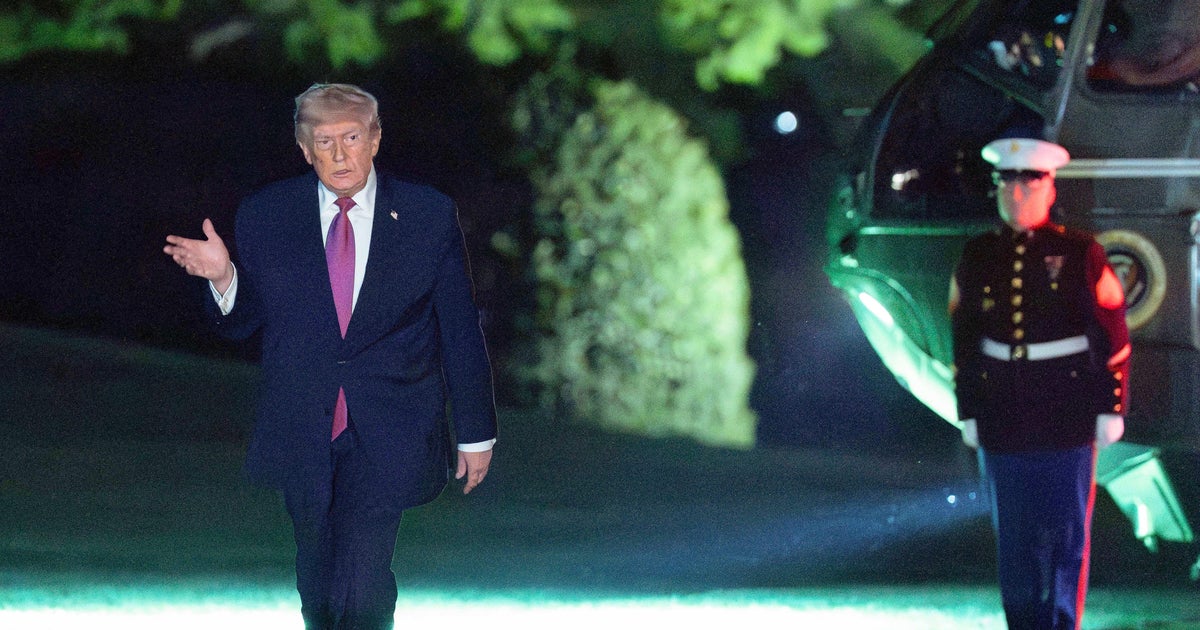
How Trump's messaging on Iran has shifted in 3 days since he said Tehran "agreed to everything"
Less than 48 hours after President Trump said Iran has "agreed to everything," he threatened the whole country would get "blown up" without a deal soon.
www.cbsnews.com

bigredfish
Known around here

bigredfish
Known around here
bigredfish
Known around here
China .. Chyna Chyna Chyna ..
Chinese ship boarded by US Marines may have Chinese arms on it .. we'll see
bigredfish
Known around here



Wonder who gains from all of these energy infrastructure fires.

mat200
IPCT Contributor
- Jan 17, 2017
- 19,335
- 32,306
Harvard Professor Answers Iran War Questions | Tech Support | WIRED
WIRED
12.8M subscribe
Apr 20, 2026 #Iran #IranWar #Trump
Professor Tarek Masoud joins WIRED to answer the internet's burning questions about the Iran War with Israel and the United States. What would a realistic ‘win’ for the US even look like in the Iran war? Why are people talking about the Strait of Hormuz and why does it matter so much? What are the chances that Iran already has nuclear weapons? Answers to these questions and many more await on Iran War Support.
In this video, Harvard Professor Tarek Masoud provides expert insight into the current conflict involving Iran, the United States, and Israel. He addresses several key questions regarding Iran's nuclear capabilities, geopolitical tensions, and the strategic complexities of the war.
WIRED
12.8M subscribe
Apr 20, 2026 #Iran #IranWar #Trump
Professor Tarek Masoud joins WIRED to answer the internet's burning questions about the Iran War with Israel and the United States. What would a realistic ‘win’ for the US even look like in the Iran war? Why are people talking about the Strait of Hormuz and why does it matter so much? What are the chances that Iran already has nuclear weapons? Answers to these questions and many more await on Iran War Support.
In this video, Harvard Professor Tarek Masoud provides expert insight into the current conflict involving Iran, the United States, and Israel. He addresses several key questions regarding Iran's nuclear capabilities, geopolitical tensions, and the strategic complexities of the war.
Key Takeaways from the Discussion:
- Nuclear Weapons (0:20 - 2:41): Professor Masoud clarifies that while Iran has enough uranium enriched to 60% to potentially reach weapons-grade levels (90%) within weeks, there is no public evidence they currently possess a nuclear weapon, nor have they claimed to have one.
- The Nuclear Deal (JCPOA) (2:42 - 5:38): The discussion explores the pros and cons of the 2015 Iran Nuclear Deal. While it effectively paused the program, critics argue the sunset clauses and lack of restrictions on other Iranian activities limited its long-term success.
- Geopolitical Threats & Strategic Locations (7:32 - 9:44): The importance of the Strait of Hormuz and the Bab el-Mandeb Strait is highlighted, as these are critical global trade and oil transit chokepoints where Iran and its proxies (like the Houthis) can exert significant pressure on the global economy.
- Defining Victory (9:45 - 11:18): Masoud emphasizes that a "win" in war is defined by achieving strategic objectives, not just battlefield kills. He notes that the barrier for the U.S. is high—requiring either the total elimination of Iran's nuclear program or regime change—whereas the Iranian objective is primarily to survive.
- Regional Tensions (14:41 - 16:55): The relationship between Saudi Arabia and Iran is described as deeply strained by ideological, economic, and regional power competition, despite periods of diplomatic outreach.
- Hezbollah (16:56 - 19:17): Hezbollah is defined as a Lebanese militia and political party established with Iranian support. The professor details their role as an Iranian proxy and explains their current diminished state following recent Israeli military strikes.
- Motivations for Enmity (19:18 - 21:01): Iran’s hostility toward the U.S. and Israel is rooted in historical grievances, such as the 1953 coup, and Iran’s self-proclaimed leadership of an "axis of resistance" that leverages anti-Israeli sentiment to gain regional influence.
bigredfish
Known around here
mat200
IPCT Contributor
- Jan 17, 2017
- 19,335
- 32,306
Why Trump Can’t Take the Iranian Regime Serious | Victor Davis Hanson
The Daily Signal
Apr 21, 2026 #DailySignal
Nothing that the Iranians say can be taken at face value because there is no Iranian government.
The first and second echelon of that apparatus is gone.
So you have the people in the military, that's one clique. You've got the theocracy, that's another. You've got the Islamic Revolutionary Guard Corps.
Then you've got these elected politicians. And they have two driving concerns. One, they are terrified that one of the other three groups will think they're weak and are negotiating with the Americans and either kill 'em or marginalize 'em or cut off their revenues, such as it is. So they always want to outdo each other.
In this episode, Victor Davis Hanson discusses the current state of Iran, arguing that the country's leadership structure has collapsed and it is no longer a unified government, but rather a collection of competing factions (0:19-0:47). He outlines several key points:
The State of Iran:
The Daily Signal
Apr 21, 2026 #DailySignal
Nothing that the Iranians say can be taken at face value because there is no Iranian government.
The first and second echelon of that apparatus is gone.
So you have the people in the military, that's one clique. You've got the theocracy, that's another. You've got the Islamic Revolutionary Guard Corps.
Then you've got these elected politicians. And they have two driving concerns. One, they are terrified that one of the other three groups will think they're weak and are negotiating with the Americans and either kill 'em or marginalize 'em or cut off their revenues, such as it is. So they always want to outdo each other.
In this episode, Victor Davis Hanson discusses the current state of Iran, arguing that the country's leadership structure has collapsed and it is no longer a unified government, but rather a collection of competing factions (0:19-0:47). He outlines several key points:
The State of Iran:
- Factionalism: The country is divided between the military, the theocracy, the Islamic Revolutionary Guard Corps, and elected politicians. These groups are constantly vying for power, terrified of being perceived as weak, and afraid of potential uprisings (0:30-1:32).
- US Strategy: Hanson argues that the US is currently "dictating" rather than negotiating, using a strategy that involves a severe economic blockade—reportedly costing Iran $430 million a day—combined with the prior destruction of their military and nuclear infrastructure (1:54-3:24).
- Iran's Hopes: He suggests Iran is attempting to "barter" and stall for time, hoping for domestic political shifts in the United States or pressure from other nations to force a change in American policy (3:46-4:37).
- Critique of Left-Wing Icons: Later in the episode, Hanson shifts to criticizing various political figures and public icons, including Tim Walz, Jussie Smollett, George Floyd, and Michael Avenatti, arguing that the media often manufactures narratives around these figures that do not align with reality (7:42-12:15).
bigredfish
Known around here