

mat200
IPCT Contributor
- Jan 17, 2017
- 19,697
- 32,849
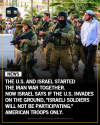
Presenter's pov :Spain and France denying passive aid goal is to get the USA to end war ASAP.
A commentor pointed out this could also be for domestic reasons
NATO as an defensive alliance, it's scope is limited to
The North Atlantic Treaty defines the area of responsibility for collective defense under Article 6, which includes territory in Europe, North America, Turkey, and islands in the North Atlantic north of the Tropic of Cancer.
Note, NATO assistance of the USA : Less than 24 hours after the September 11, 2001 attacks, NATO Allies unanimously invoked Article 5 of the Washington Treaty for the first and only time in history, declaring the attacks an armed attack against all members. All 18 allies at the time condemned the attacks and pledged to support the United States, with individual nations taking actions ranging from legislative approvals to direct military deployments.
including : Since 2001, troops from U.S. NATO allies have fought alongside American forces ( suspect the issues with the withdrawal left a few unhappy )



Europe's Surgical Weapon Against Trump's Iran War
William Spaniel
Apr 1, 2026
The Transatlantic rift continues, having evolved from a question of active support in the Iran War to now one of passive support. Spain and France are denying the United States access to bases and airspace for any ship or plane headed toward the Gulf region. Today, we explore the strategy these countries are trying to implement, and whether it will have the intended effect of ending the war more quickly.
0:00 The NATO Base Dispute
1:50 Entrapment in the Iran War
4:34 Spain and France Deny U.S. Access
9:09 Will Cutting Access End the War?
12:25 Takeaway Lines
The appearance of U.S. Department of Defense (DoD), EU, and NATO visual information does not imply or constitute an endorsement.
This video analyzes the growing transatlantic rift between the United States and several European allies—specifically Spain and France—over the ongoing conflict with Iran. The creator explains how this diplomatic dispute has evolved from a refusal to provide active military support into a direct challenge via the denial of passive support (airspace and base access).
Key themes include:


A commentor pointed out this could also be for domestic reasons
NATO as an defensive alliance, it's scope is limited to
The North Atlantic Treaty defines the area of responsibility for collective defense under Article 6, which includes territory in Europe, North America, Turkey, and islands in the North Atlantic north of the Tropic of Cancer.
Note, NATO assistance of the USA : Less than 24 hours after the September 11, 2001 attacks, NATO Allies unanimously invoked Article 5 of the Washington Treaty for the first and only time in history, declaring the attacks an armed attack against all members. All 18 allies at the time condemned the attacks and pledged to support the United States, with individual nations taking actions ranging from legislative approvals to direct military deployments.
including : Since 2001, troops from U.S. NATO allies have fought alongside American forces ( suspect the issues with the withdrawal left a few unhappy )
Europe's Surgical Weapon Against Trump's Iran War
William Spaniel
Apr 1, 2026
The Transatlantic rift continues, having evolved from a question of active support in the Iran War to now one of passive support. Spain and France are denying the United States access to bases and airspace for any ship or plane headed toward the Gulf region. Today, we explore the strategy these countries are trying to implement, and whether it will have the intended effect of ending the war more quickly.
0:00 The NATO Base Dispute
1:50 Entrapment in the Iran War
4:34 Spain and France Deny U.S. Access
9:09 Will Cutting Access End the War?
12:25 Takeaway Lines
The appearance of U.S. Department of Defense (DoD), EU, and NATO visual information does not imply or constitute an endorsement.
This video analyzes the growing transatlantic rift between the United States and several European allies—specifically Spain and France—over the ongoing conflict with Iran. The creator explains how this diplomatic dispute has evolved from a refusal to provide active military support into a direct challenge via the denial of passive support (airspace and base access).
Key themes include:
- The Entrapment Problem (1:50-4:34): The video discusses how European nations are attempting to avoid "entrapment," a strategic situation where a smaller partner is dragged into a war by an initiator (the U.S.) that they would have otherwise preferred to avoid.
- The Basing Dispute (4:34-9:09): Unlike previous disagreements, the current denial of U.S. use of bases and airspace is a calculated move to force a change in U.S. policy. While the North Atlantic Treaty only mandates mutual defense in the event of an attack in the North Atlantic area, the U.S. views these basing rights as a part of a grand strategic bargain, making the current refusal a significant point of tension (6:22-7:20).
- Strategic Objectives and Logical Gaps (9:09-12:25): The creator questions the efficacy of Europe’s strategy. By denying support, European nations hope to force a quick end to the war to stabilize oil prices and mitigate the conflict's negative impact on Ukraine. However, the video argues that without a clearly defined link between cutting logistical support and the resolution of the underlying bargaining frictions that caused the war, this strategy may ultimately fail or even prolong the conflict (9:09-11:52).
- Takeaway: The video concludes that the current strategy is poorly defined and likely to lead to a repetitive cycle of transatlantic strain, followed by temporary concessions, without addressing the core causes of the war (12:25-13:20).