
jpc-s4
Getting comfortable
How it should be done. Thank you FREE STATE OF FLORIDA WITH NO BULLSHIT
Taking out the trash…
How it should be done. Thank you FREE STATE OF FLORIDA WITH NO BULLSHIT

Venezuela isn’t in the top 10 countries that import drugs into the US.
Why aren’t we blowing up random Mexican ships? Or Colombians? They import more drugs to the US in a week than Venezuela does in a year.
The reason is this isn’t actually about drugs or “narco terrorism.”
This is about Venezuela nationalizing their oil, costing US oil billionaires to lose money, and selling it to China.
Don’t let these drooling retards like Pete Hegseth try to tell you this is about “narco terrorism” or some stupid shit like that they use to blow up fishing boats in international waters off the coast of Venezuela
 www.foxnews.com

Who knows what to believe any more.
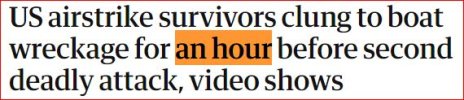


Like when we're fed these accounts of the 2nd strike on the drug boat?
View attachment 233967
View attachment 233968
View attachment 233969
US airstrike survivors clung to boat wreckage for an hour before second deadly attack, video shows
Boat Strike Survivors Clung to Wreckage for Some 45 Minutes Before U.S. Military Killed Them

Comedy Gold

 Key witnesses kept out of the grand jury. Zero interest in the evidence. Intense interest in the people uncovering it.
 www.foxnews.com

 nypost.com